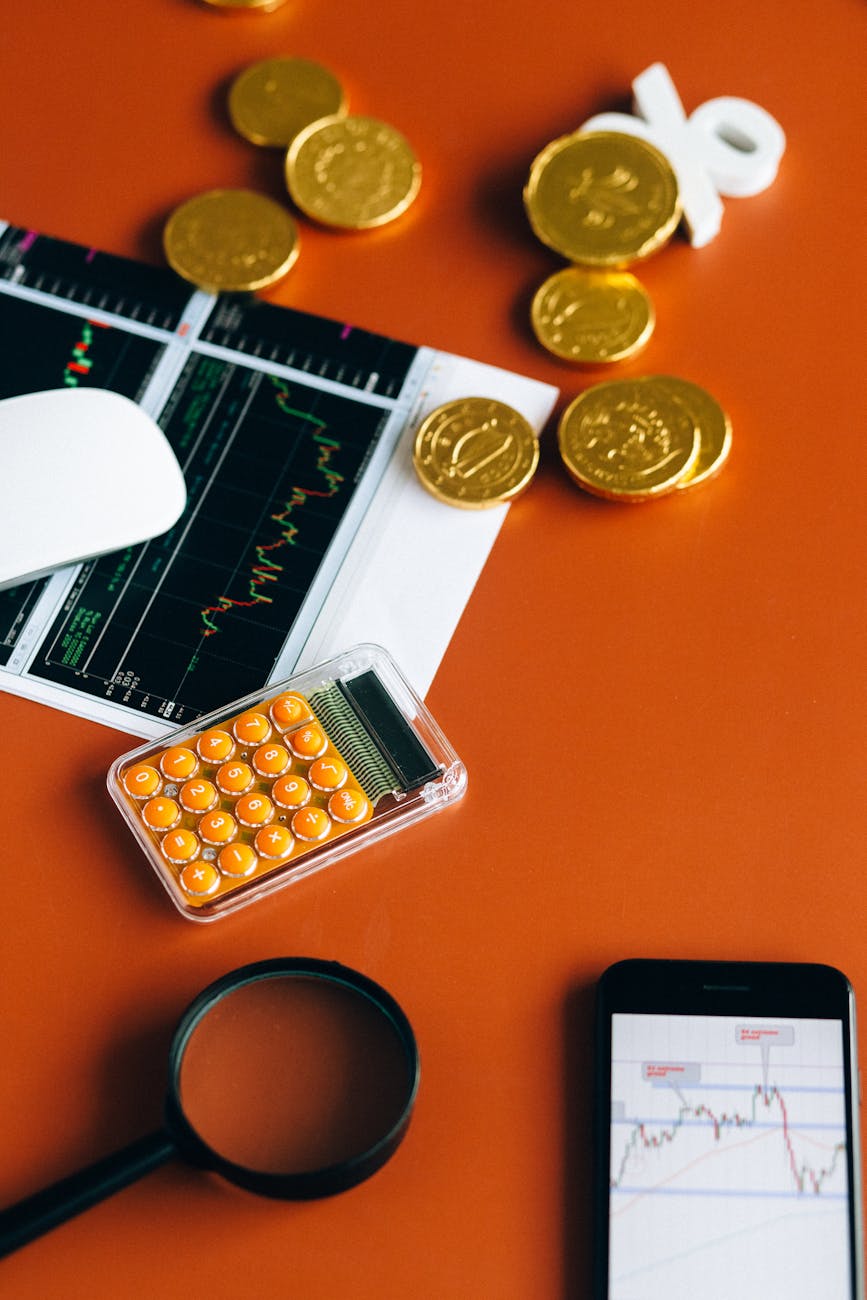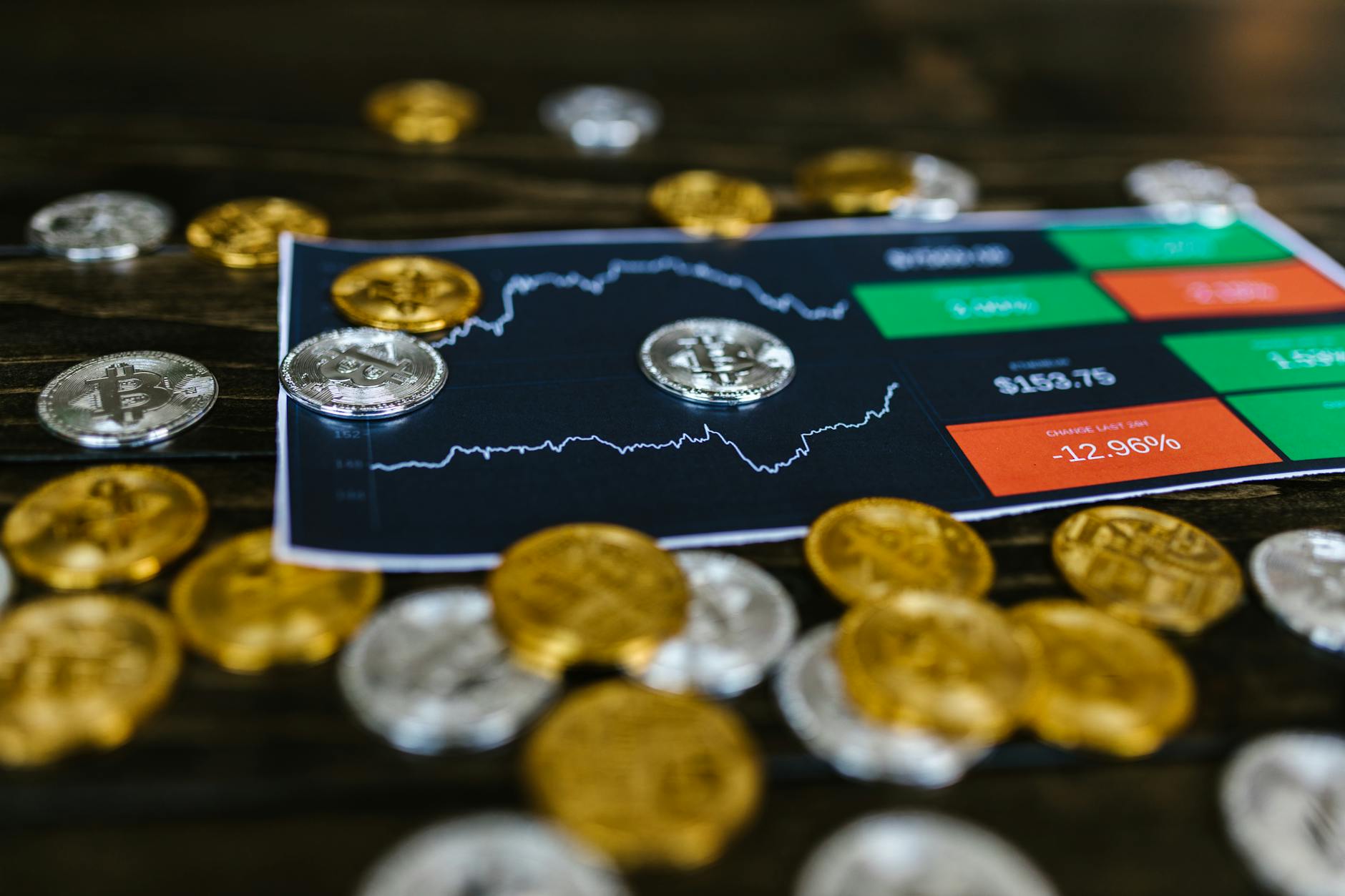
The world of cryptocurrency trading has grown exponentially in recent years, and entering this dynamic landscape in 2026 presents both opportunities and challenges. While the potential for profit is enticing, it’s crucial to recognize and avoid common crypto trading mistakes that can lead to significant losses. By understanding these trading pitfalls, traders can equip themselves with essential 2026 trading advice, ensuring a more informed and strategic approach to their investments.
Understanding the Crypto Market Landscape
Before diving into the specifics of trading mistakes, it's vital to recognize the unique characteristics of the crypto market. Unlike traditional markets, cryptocurrency operates 24/7, is highly volatile, and is influenced by various external factors such as technological advancements, regulatory news, and market sentiment.
The Importance of Research
One of the most common crypto trading mistakes is the lack of thorough research. Unlike stocks, where company fundamentals can provide clear insight, cryptocurrencies require a deeper understanding of blockchain technology, project utility, and community engagement. Traders should always analyze the team behind a cryptocurrency, its roadmap, and its current market position.
- Example: An investor might rush to buy a trending token without understanding its use case, leading to losses when the trend reverses.
Overtrading: A Dangerous Game
Overtrading is a prevalent mistake that many traders fall victim to, especially in a fast-paced market like cryptocurrency. This impulsive behavior can stem from emotions such as fear of missing out (FOMO) or greed when witnessing rapid price movements.
Setting Realistic Goals
To combat overtrading, traders should establish clear and realistic trading goals before entering the market. This helps maintain discipline and prevents succumbing to emotional trading.
“Discipline is the bridge between goals and accomplishment.” – Jim Rohn
Neglecting Risk Management
One of the most critical aspects of trading that beginners often overlook is risk management. Without proper risk management strategies, even the most promising trades can lead to catastrophic losses.
Implementing Stop-Loss Orders
Utilizing stop-loss orders is an effective way to limit potential losses. Traders should determine the maximum amount they’re willing to lose on a trade and set their stop-loss accordingly.
- Determine your risk tolerance.
- Set a stop-loss order to close trades at a specific loss threshold.
- Reassess and adjust as necessary to align with market conditions.
Ignoring Market Trends and Signals
In the constantly evolving world of cryptocurrency, ignoring market trends and trading signals can be detrimental. Many traders fail to analyze price charts or sentiment indicators, leading to missed opportunities and increased risks.
Utilizing Technical Analysis
Technical analysis involves studying price patterns and indicators to forecast future movements. It’s an essential tool for traders, allowing them to make informed decisions based on historical data.
Tools to Consider
Some popular tools and indicators to enhance your trading decisions include:
- Moving Averages (MA)
- Relative Strength Index (RSI)
- Bollinger Bands
Following the Crowd: The Herd Mentality
Herd mentality is a common trading pitfall where individuals follow the actions of the majority instead of conducting independent analysis. This often results in poor trading decisions based on hype rather than sound reasoning.
How to Develop Independent Insight
Traders should strive to conduct their own research and analysis instead of relying solely on social media or community sentiment. Building a personal strategy based on data-driven insights will lead to more sustainable trading success.
Conclusion
As the cryptocurrency market continues to evolve in 2026, avoiding common crypto trading mistakes is essential for both novice and seasoned traders. By understanding the market landscape, practicing risk management, utilizing technical analysis, and forming independent insights, traders can navigate this volatile environment with confidence. Remember, successful trading is not merely about making quick profits but about developing a strategic approach that mitigates risks while maximizing potential gains.